
Common Pain Points
Common Pain Points

New requirements constantly inserted, disrupting the original planLack of unified management and review, chaotic resource allocation

Information scattered in multiple places, important content easily overlooked Cross-department collaboration is slow, affecting decision-making and execution

Technical experience cannot be consolidated, repeating mistakes Lack of knowledge base for cross-functional collaboration, high training costs

Defects and shortcomings not synchronized in time, delaying repairs Management lacks real-time data, high decision-making risks
Connecting the entire process and all scenarios of R&D management
Connecting the entire process and all scenarios of R&D management
Built for every role in the R&D team, adapting to all scenarios including requirement management, task management,
defect management, iteration management, etc.

Write requirements, customize requirement statuses and various attributes Plan requirements and related tasks into iterations, assign responsible persons

Task hour statistics, estimate task duration Tools like Kanban and burn-down charts to monitor current progress in real-time

Interoperability with TestCase data, can report bugs with one click Statistics on defect status distribution, consolidating issues and experiences
Intuitive control over the entire project process
Intuitive control over the entire project process
Project templates configured with a modular mindset can flexibly match the project management needs of different departments in various industries such as internet, e-commerce, manufacturing, and construction.
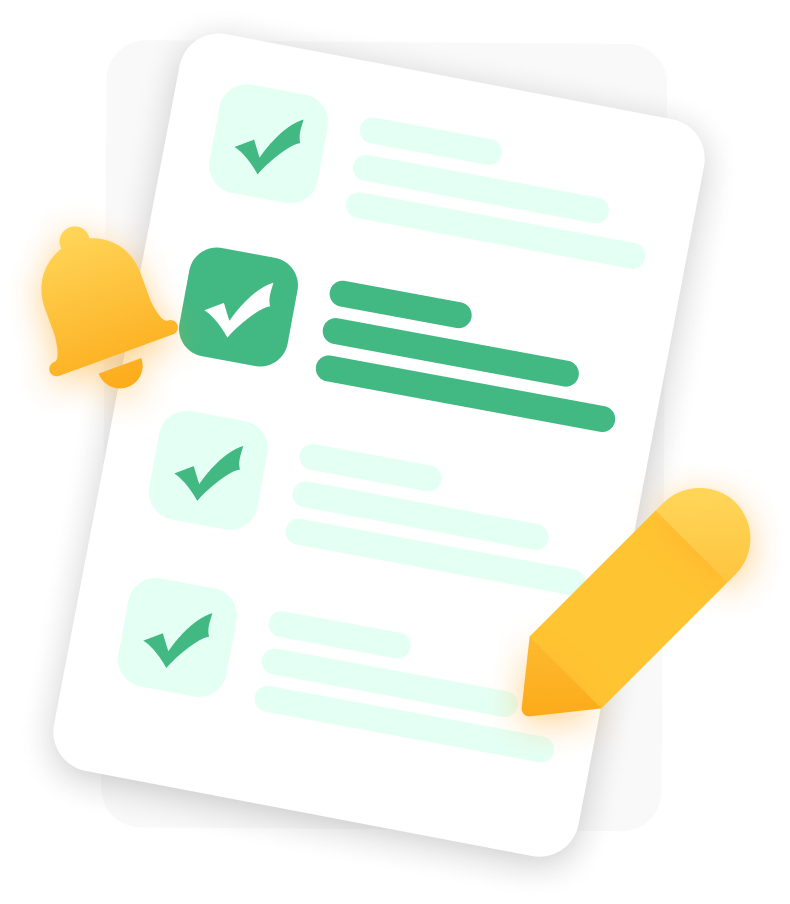
Supports Kanban, table, and list display modes within the project, allowing intuitive viewing of each project's progress and each member's task completion status, with the ability to set corresponding reminder strategies for tasks to ensure no important matters are missed.
The 'workflow' can track all key stages of the project from idea proposal to final delivery, driving collaboration by breaking down tasks, responsible persons, and time nodes for each stage, easily helping team managers control project progress and processes.
Comprehensive project management
Comprehensive project management
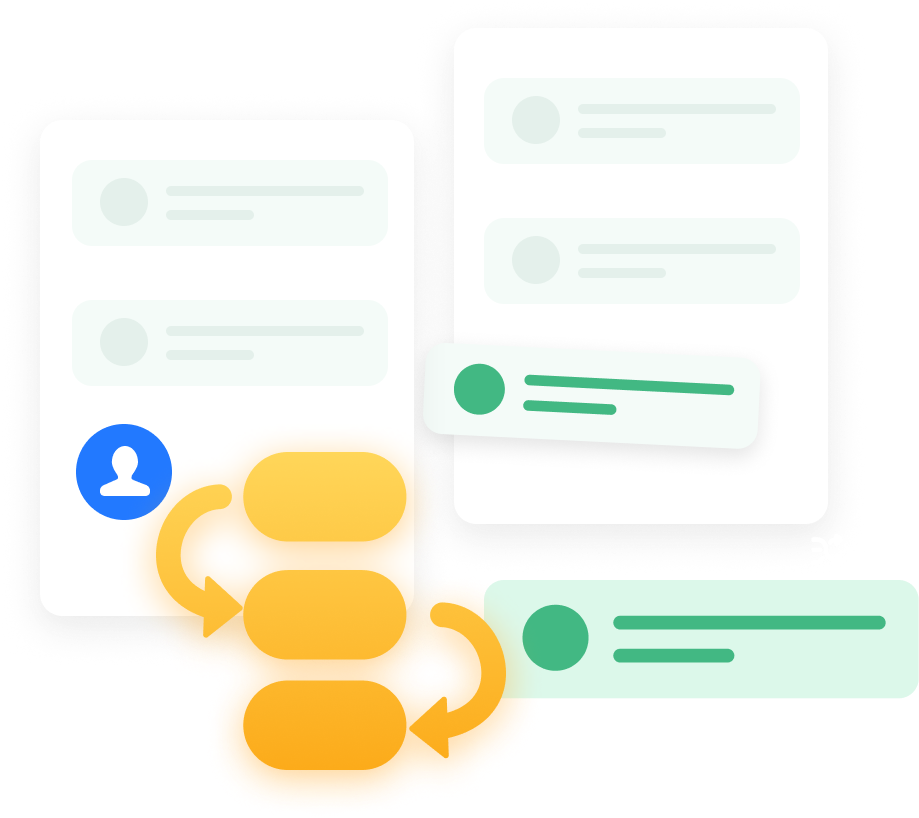
Establish connections between tasks through different types of associations. For example: Derivative relationships show parent-child relationships between tasks; related relationships display the relevance of different tasks, avoiding the creation of the same task in different projects.
Real-time data supports task statistics within the project and global statistics, with results visually displayed through Gantt charts, making the progress of enterprises, projects, and members clear at a glance.
Supports multi-dimensional, highly customizable data aggregation and statistics, while also supporting various visual display views such as task weekly reports and hour statistics, making it convenient for managers to intuitively understand task data.