Common Types of Enterprise Web Applications
120021. Introduction to This Lesson
This lesson explores the basic concepts of enterprise web applications and examines how data relationships affect the types of web applications. It introduces the data table structures for one-to-one, one-to-many, and many-to-many relationships, as well as their corresponding single-table applications, two-table applications, and three-table applications.
Through this course, you will gain a better understanding of the complexity of enterprise web applications and data relationships, laying a foundation for web development.
2. Basic Concepts of Enterprise Web Applications
Enterprise web applications typically involve complex business functionalities, encompassing a large amount of interrelated business logic and data processing. To ensure data security and user authentication, these applications implement access control measures. Additionally, they need to handle vast amounts of data, where data relationships can be intricate.
The relationships between data directly influence the types of web applications. Single-table applications generally deal with a single data table, three-table applications involve complex relationships among three data tables, while two-table applications handle the associations between two data tables. These different types of applications reflect the complexity of the data structure and the business logic required by the application.
3. Understanding Data Relationships: One-to-One, One-to-Many, Many-to-Many
The relationships between data determine the complexity of the business, and data relationships can generally be categorized as follows:
One-to-One Relationship: This refers to a unique correspondence between data in a table. For example, when recording student information, the student's name corresponds uniquely to their student ID, age, gender, etc. Therefore, a data table named student is sufficient to record this information.
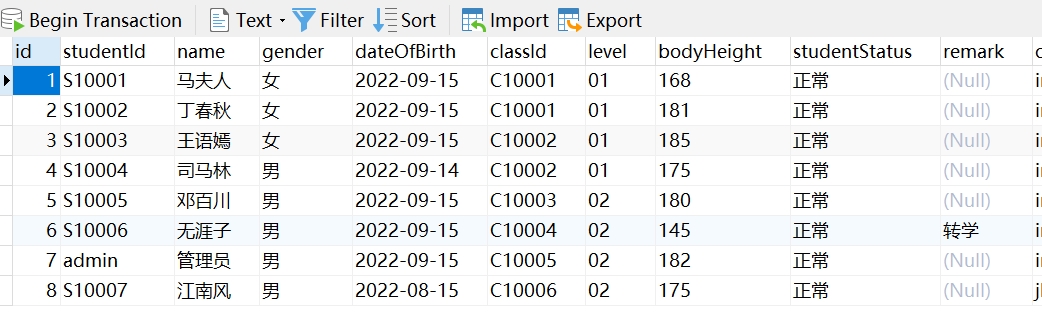
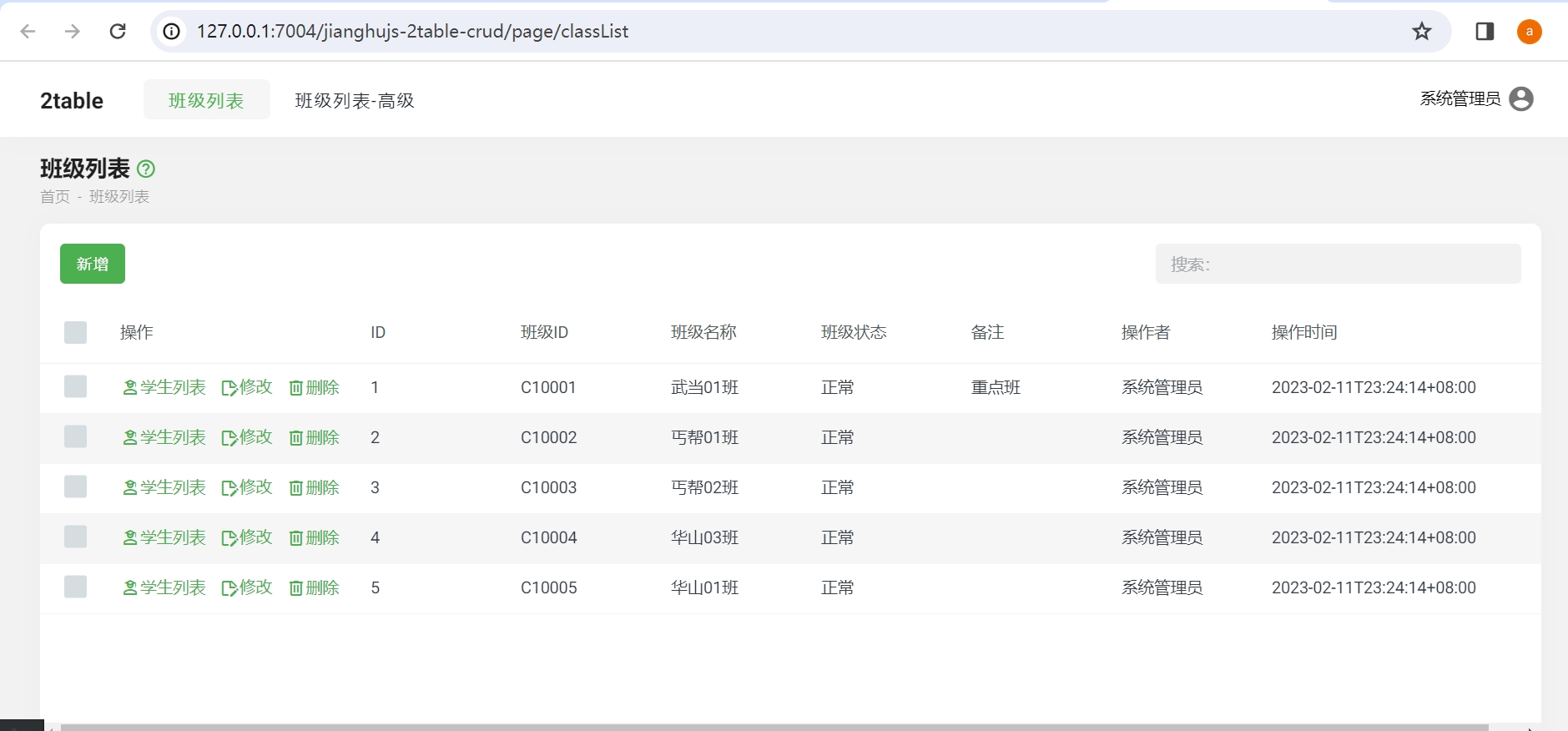
One-to-Many Relationship: A single data entity can relate to multiple other data entities, where a record in one table can correspond to multiple records in another table. For instance, in a class table, there are many classes, and each class has many students, requiring both a class table and a student table.
The class table records information related to classes:
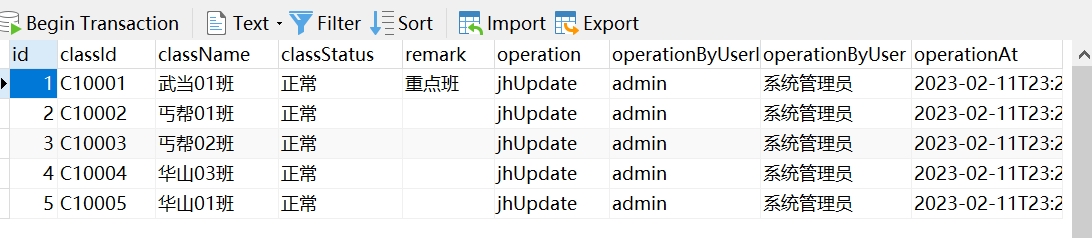
The student table records information related to students, including the class information they belong to:
Many-to-Many Relationship: This refers to a relationship where multiple records in one data entity can relate to multiple records in another data entity, and vice versa. In a many-to-many relationship, a third table, known as a junction table, is typically introduced to connect the two main tables and resolve the many-to-many relationship.
For example, in a class data table with multiple classes, each class has multiple students. In the student table, a student can belong to multiple classes. Therefore, in addition to the class table and student table, a junction table named student_class is needed to record the relationship information between students and classes.
The class table records only class-related information:
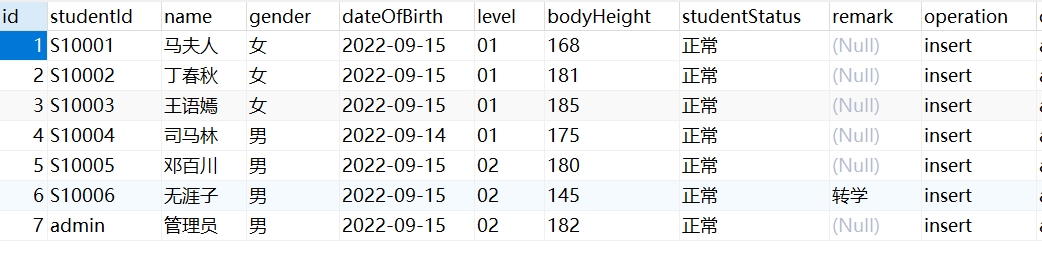
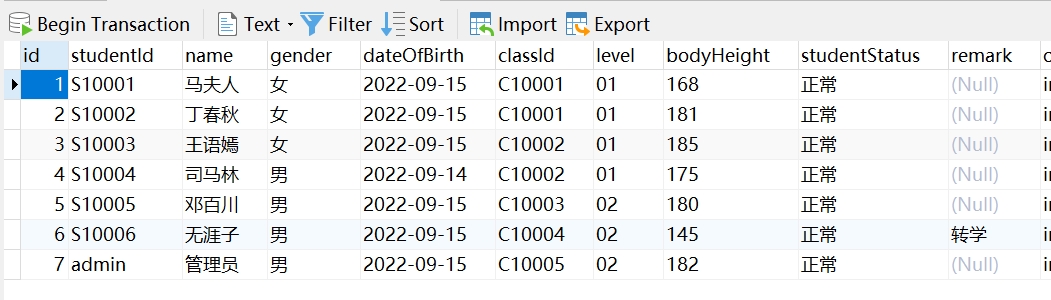
The student table records only student-related information:
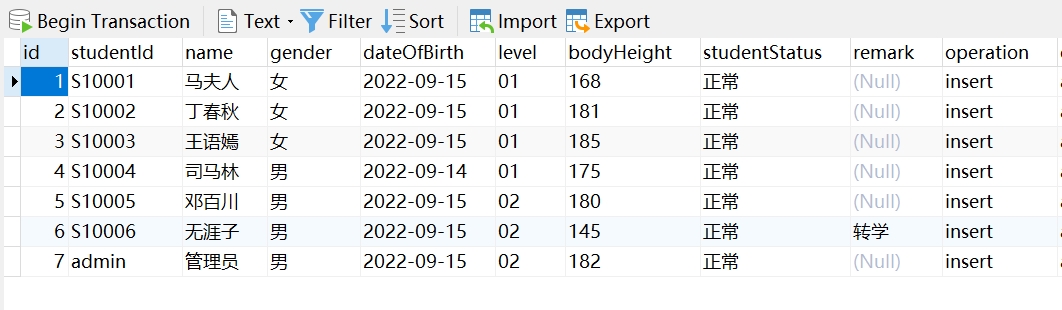
The student_class table records information about the classes each student belongs to, as well as information about all students in the class:
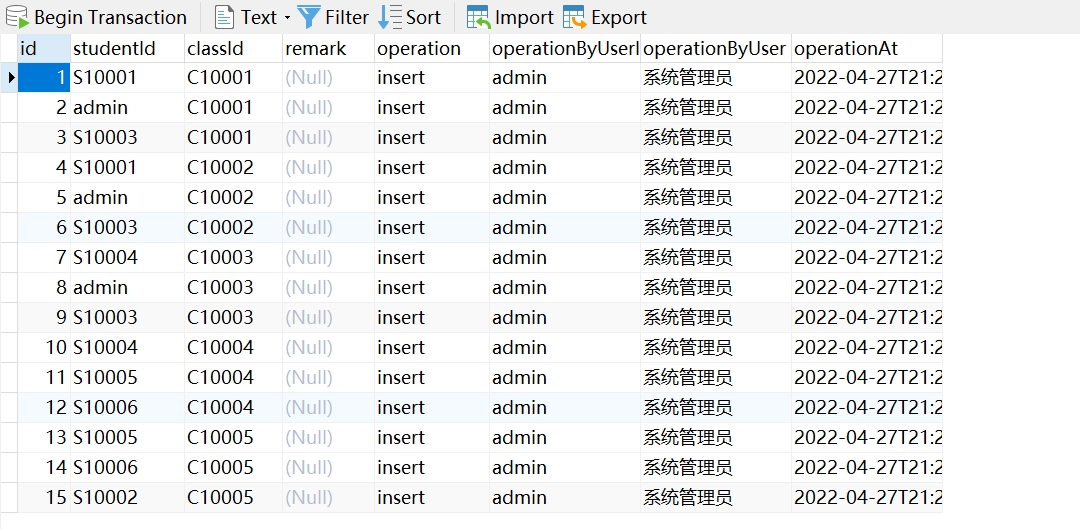
The student_class table generates a record for each student corresponding to a class, establishing a many-to-many relationship.
4. Single-Table Applications
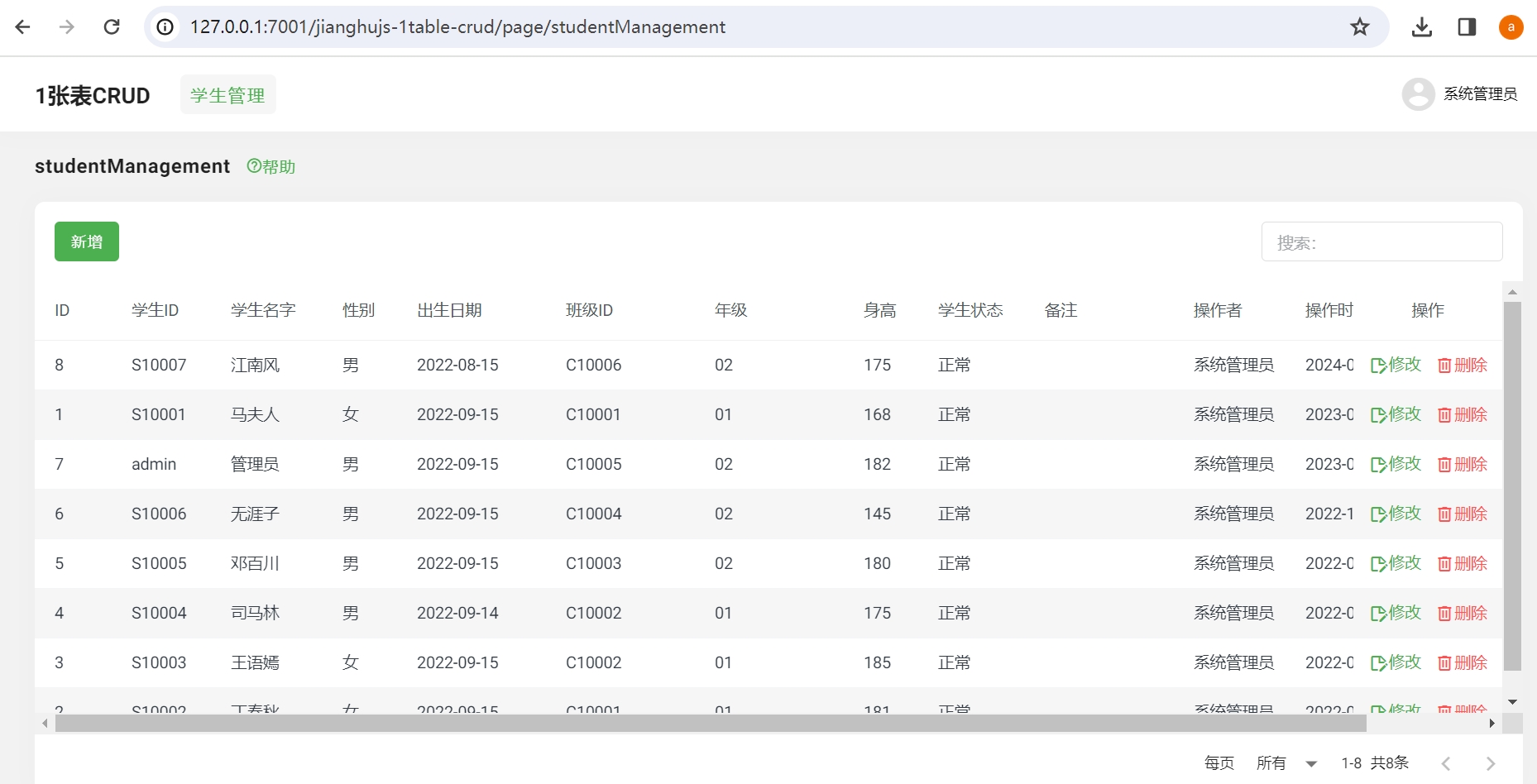
Applications that involve only one data table represent a one-to-one relationship, making the data relationship simple. For example, a student management page manages the addition, deletion, modification, and querying of student information.
5. Three-Table Applications
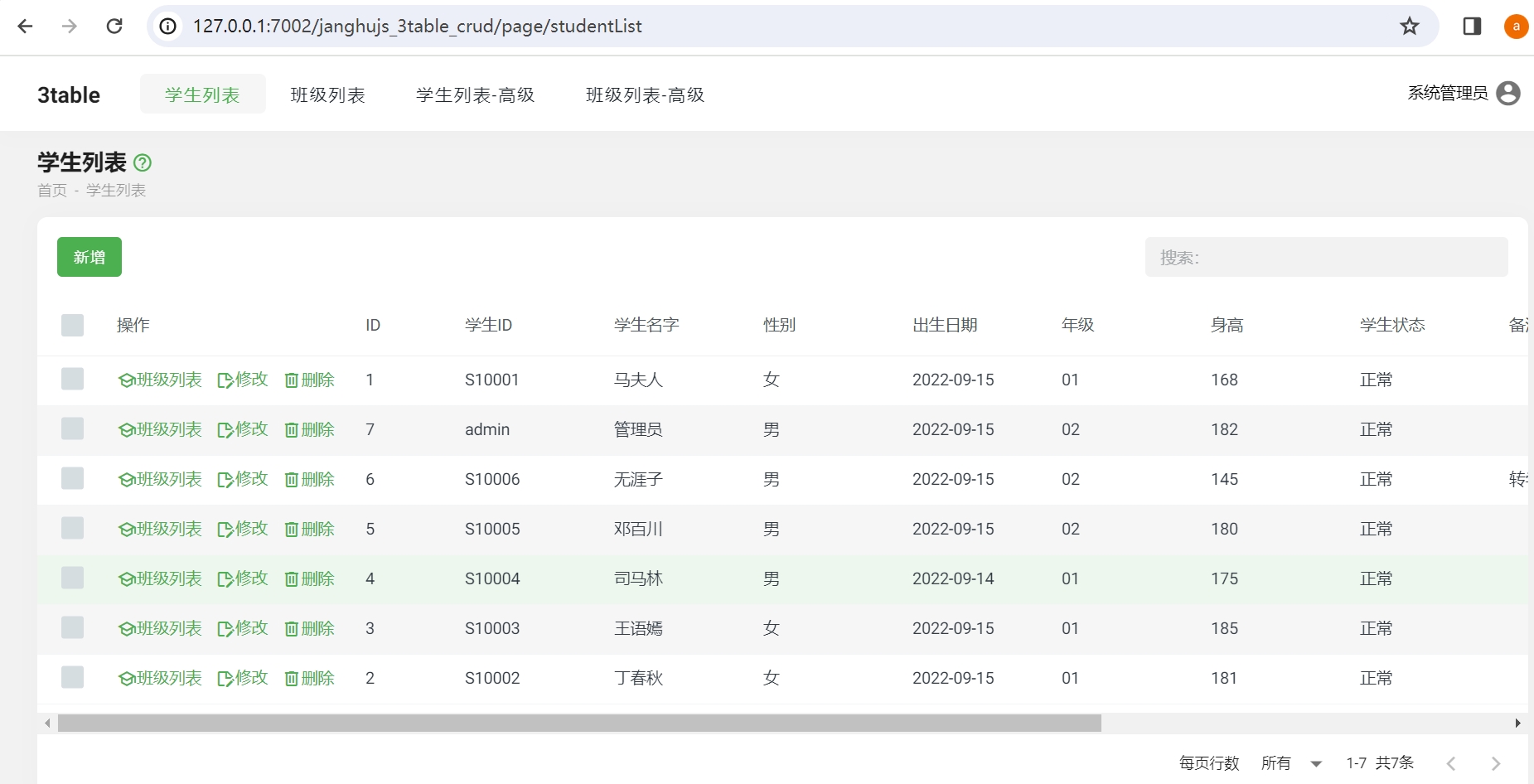
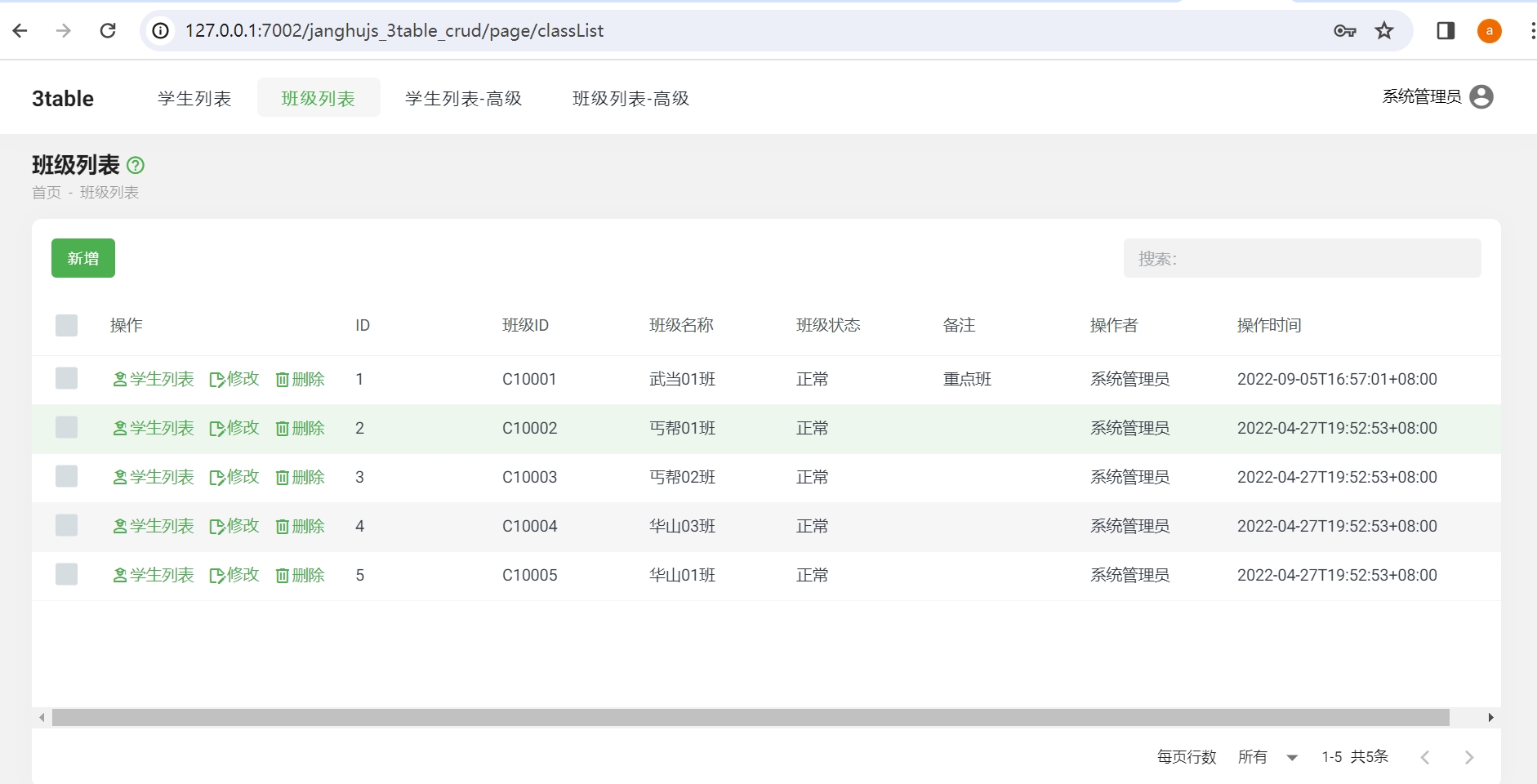
When an application involves three data tables, the data relationships become more complex, representing a many-to-many relationship. For instance, a student can belong to multiple classes, and a class can manage multiple students. This project includes a student management page and a class management page, where specific students can be added to or removed from classes on the student management page, and students can be added to or removed from classes on the class management page.
6. Special Three-Table Applications: Two-Table Applications
In this special three-table application, the relationship between the two data tables is relatively simple, representing a one-to-many relationship. For example, a student can belong to only one class, while a class can manage multiple students. This project includes a student management page and a class management page, where students can be added to or removed from specific classes on the class management page.